
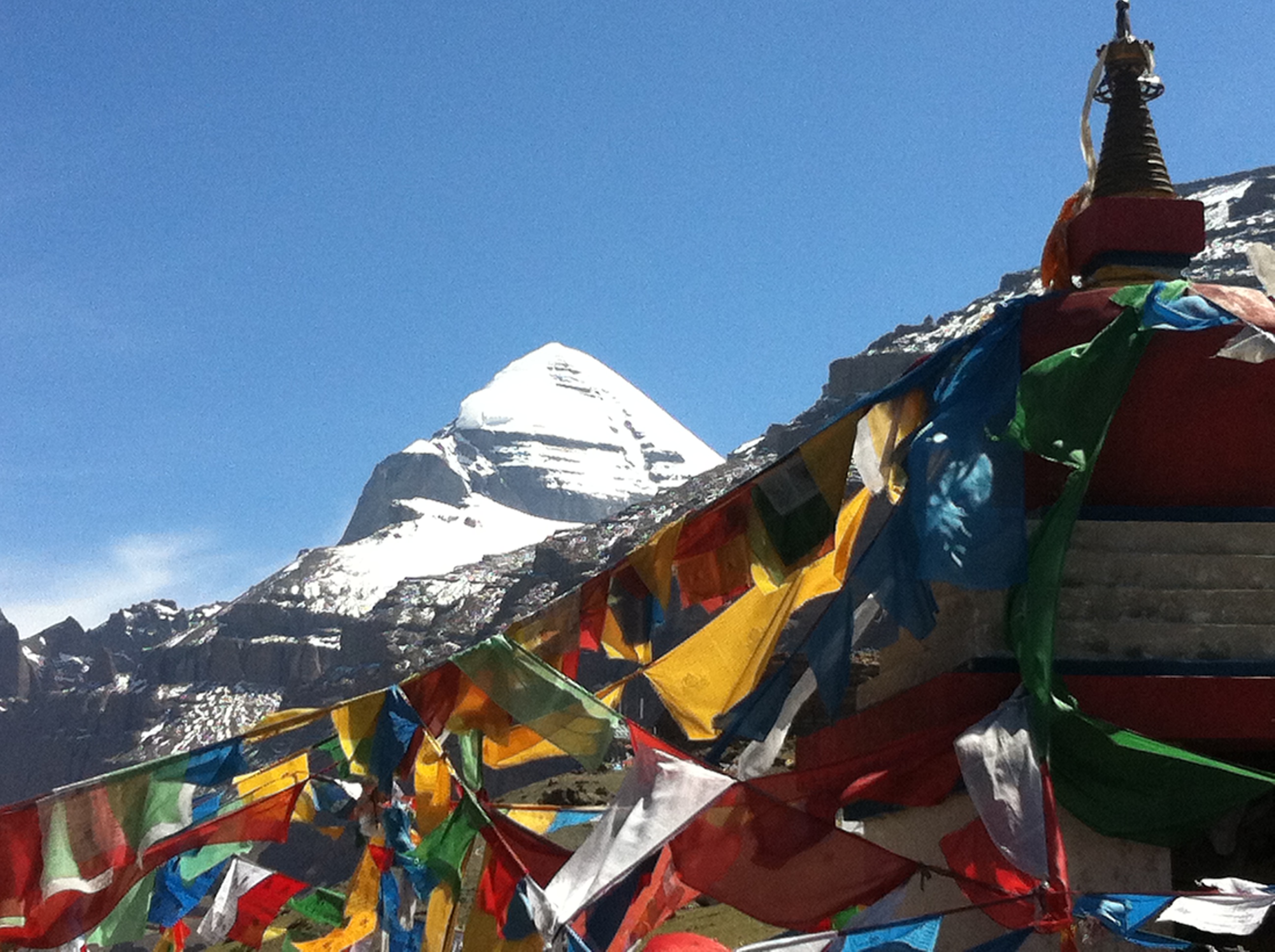
Kailash Mansarovar Yatra — Frequently Asked Questions
కైలాష్ యాత్ర · Plan your sacred Himalayan journey with practical information about itineraries, parikrama, accommodation, travel documents, costs and preparation.
Tour duration & routes
Compare the available journey formats and the typical travel season.
How many days are required for the Mount Kailash Yatra?
The supplied tour information lists these options:
- 13 days: Kailash Mansarovar Yatra by road.
- 15 days: Kailash Mansarovar Yatra via Lhasa.
- 10 days: Kailash Mansarovar tour by helicopter.
- 16 days: Kailash Mansarovar Yatra with Inner Parikrama, as listed by the operator.
The helicopter itinerary supplied follows Kathmandu – Nepalgunj – Simikot – Hilsa (by helicopter) – Taklakot – Mansarovar – Darchen – Dirapuk – Zuthulpuk – Darchen – Mansarovar – Taklakot – Hilsa – Simikot (by helicopter) – Nepalgunj – Kathmandu. Confirm the current route, itinerary length and availability when enquiring.
How is the 13-day Kailash Yatra by road organised?
According to the supplied itinerary, a tourist bus is used between Kathmandu and Kodari at the Nepal–Tibet border. Transport in Tibet is described as a 4,500 cc Toyota Land Cruiser or a luxury bus.
Kathmandu → Zhangmu/Zhyagmu → Nyalam → Saga → Paryang → Lake Mansarovar → Darchen → Dirapuk → Zuthulpuk → Darchen → Paryang → Saga → Nyalam → Kathmandu
Border arrangements and the route can change. Please confirm the actual departure route and transport plan for your selected date.
What is the best time to travel to Mount Kailash?
The supplied information gives the usual season as the last week of May through September. Weather, road conditions, permits and local restrictions may affect departures, so ask the operator to confirm the dates available for your year of travel.
Mount Kailash Parikrama
Understand the trek, overnight stops and optional local assistance.
How long is the Mount Kailash Parikrama, and how many days does it take?
The supplied information describes the Parikrama (Kora) as approximately 52 kilometres, completed over 2 nights and 3 days. It lists overnight stays at Dirapuk and Zuthulpuk. Actual walking time and conditions vary with the route, weather and individual fitness.
Can I hire a horse or pony for the Parikrama?
The supplied estimate is approximately CNY 2,000 per horse for the 3-day Parikrama, including a horse handler. This is an indicative figure from the provided information, not a guaranteed current rate. Availability, permitted use, payment method and the final price should be confirmed locally before the trek.
Can I hire a porter or helper for children or luggage?
The supplied estimate for a helper or porter is approximately CNY 150 per day. Please confirm availability, the service provided, baggage limits and the current rate before the Parikrama.
What if I do not feel fit enough to complete the Parikrama?
The supplied information says travellers who do not undertake the Parikrama may stay in Darchen for three days. It lists an additional accommodation charge of INR 500 per day. Confirm the current arrangement and fee with the operator. High-altitude trekking should not be continued if you feel unwell; discuss your fitness and contingency options before departure.
Is it necessary to start the Yatra on a full-moon day?
No special start date is required in the supplied information. Some pilgrims prefer to be at Lake Mansarovar or Mount Kailash on a full-moon day. Choose dates based on confirmed tour departures, permit arrangements, weather and your personal preferences.
Costs, money & cancellation
Plan for trip expenses and check which charges are payable separately.
What extra charges are payable directly during the Yatra?
The supplied information says the following may be excluded or charged separately:
- Horse and horse-handler fees.
- Rescue or evacuation, if required.
- Travel insurance.
- Drinks, laundry, telephone/fax and personal expenses.
- Additional transportation costs.
- Tibet visa separation cost, if applicable under the arrangements for the trip.
- Extra accommodation in Darchen if not undertaking the Parikrama; the supplied information lists INR 500 per day for three days.
Additional expenses may also arise from delays, accidents, natural disasters or political actions. Request a written, current list of inclusions and exclusions before paying a deposit.
How much money should I carry, and in which currency?
The supplied information recommends USD or eligible Indian currency for expenses in Kathmandu and Chinese Yuan (CNY) for Tibet. It suggests carrying approximately CNY 2,500–3,000 per person for 11 days in Tibet to cover emergencies and possible horse expenses.
The original information also lists indicative conversion examples of INR 100 = NPR 160 and INR 100 = CNY 10. These are not live exchange rates and should not be relied on for budgeting. Currency rules, accepted denominations and exchange availability can change; check current requirements with your bank, travel operator and relevant authorities before departure.
What is the cancellation policy for the Kailash Tour?
The supplied policy lists the following charges:
- 30 days before departure: INR 10,000 for Kailash permit processing.
- 15 days before departure: INR 25,000 cancellation charge.
- 5 days before departure: no refund allowed.
Please obtain the current cancellation and refund policy in writing when booking, including how these amounts apply to your specific departure and any permit or supplier charges.
What payment methods are available for the advance deposit?
The supplied information lists SWIFT bank transfer, credit-card payment and a demand draft sent by courier. Contact Ojha Holidays directly for current payment instructions and verified account details. Do not send funds to account details received from an unverified source.
Accommodation, vehicles & equipment
Learn about the facilities described in the supplied tour information.
What accommodation is provided in Nepal and during the Kailash Tour?
The supplied information describes 3-, 4- or 5-star hotel accommodation in Kathmandu and standard guesthouse accommodation in Tibet. It also mentions two days of guesthouse accommodation during the Kailash Parikrama. Hotel category, room-sharing arrangements, availability and the actual properties should be confirmed in your itinerary.
What is a Land Cruiser, and what type of bus is provided?
The supplied information describes the Land Cruiser as a four-wheel-drive Japanese vehicle and allows up to four travellers per vehicle, in addition to one driver and one Sherpa/staff member. For groups using a bus, it lists a comfortable luxury bus with 2+2 push-back seats and an approximate capacity of 20–60 seats, depending on group size. Confirm the actual vehicle and capacity for your departure.
What equipment does the company provide?
The supplied information lists the following items:
- Camping equipment, to be returned at the end of the trip.
- Down sleeping bag with an extra inner cover, to be returned.
- Down jacket, to be returned.
- Emergency oxygen backup and a Gamow bag.
- A duffel bag and day bag, described as complimentary gifts.
Ask the operator to confirm the exact equipment list, sizes, availability and which items must be returned.
What happens if the vehicle breaks down?
The supplied information says that a replacement vehicle will be sent if the tour vehicle breaks down. The time required to arrange a replacement may depend on location, weather and road conditions.
Are landslides frequent on the route?
The supplied information says landslides depend on the weather and may occur on the Nepal side of the Kathmandu–Kodari route. Road and border conditions can change quickly, so allow flexibility and follow the tour operator’s current travel advice.
Health, age & what to carry
Prepare carefully for high altitude, cold weather and remote travel.
Are medical reports or medical tests required?
The supplied information says a medical report or test is not compulsory, but strongly recommends consulting your doctor before travelling to high altitude. Travellers should disclose their physical condition and any medicine allergies to the tour operator. Ask whether the current authorities or itinerary require additional medical documentation.
Can children aged 8–15 join the Yatra?
The supplied information says physically well children may accompany their families at the guardian’s responsibility. High-altitude travel can be demanding, and suitability depends on the child’s health and the itinerary. Consult a qualified doctor and confirm the current operator and authority requirements before booking.
Are there age restrictions for older travellers?
The supplied information says there is no fixed age restriction in the operator’s general description, but notes that Chinese authorities may not permit some travellers aged 65 or above. Approval rules can change. Anyone considering this high-altitude journey should consult a doctor and obtain confirmation of current eligibility before paying a deposit.
Will one oxygen cylinder be sufficient for four people?
The supplied information says the company provides emergency oxygen backup and that some travellers prefer to bring a small portable cylinder, which it estimates at CNY 20–30 in Tibet. Oxygen is not a substitute for proper acclimatisation or medical care. Confirm what emergency equipment is carried and follow your guide’s and medical professional’s advice if symptoms develop.
What should I pack for the Kailash Yatra?
The supplied packing list includes:
- Warm clothing and suitable footwear.
- Water bottle and water-purification tablets.
- Sun protection and a dust mask.
- Personal medicines for your needs, including any medicine prescribed by your doctor.
- Dry fruit, juice powder, bread, candy, packed food, nuts, pickles and biscuits.
- Extra batteries for cameras and other devices.
Speak with a qualified healthcare professional before travel about altitude illness prevention and any medicine you may need. Do not start a medicine such as acetazolamide (Diamox) without appropriate medical advice, especially if you have allergies or other health conditions. The supplied information says a company representative may assist with obtaining missing items in Kathmandu.
Visas, documents & booking
Prepare your documents early and verify current travel requirements.
Besides my passport, what documents should I carry?
The supplied information lists a valid passport and four passport-size photographs. It describes a medical insurance policy as not compulsory, while separately listing travel insurance among excluded costs. Confirm passport validity, photograph specifications, permits, insurance expectations and other document requirements for your nationality and departure date.
Is the Tibet visa cost included in the tour price?
The supplied information says the Tibet visa cost is included, while Nepal visa costs are excluded for foreign nationals and Indian passport holders do not need a Nepal visa. Visa and permit arrangements depend on nationality, route and current rules; verify the exact process and written inclusions for your own trip before booking.
When should I book the Mount Kailash Yatra, and how do I reserve?
The supplied information recommends booking at least 45 days in advance and sending a scanned copy of the passport’s first page with a 20% advance deposit. It lists the contact email as ojhaholidays@yahoo.com and the postal address as GPO Box 20441, Kathmandu, Nepal. Confirm current booking lead times, required documents, deposit amount and verified payment instructions directly with the operator.
Is it necessary to submit documents 45 days before departure?
The supplied information says passport copies must be sent to China for approval. It therefore recommends submitting documents in advance. Ask the operator for the actual deadline applicable to your travel date and the permitted method for transferring personal documents securely.
Food, communication & other questions
Practical details for the days spent travelling through Tibet.
Are children charged the same tour price as adults?
The supplied information says the Yatra cost is the same for children. Confirm the current price, room arrangements and any supplier-specific child policies at the time of booking.
Can vegetarian food be provided throughout the Yatra?
Yes. The supplied information says cooks travel with the group and prepare vegetarian meals using the necessary cooking equipment. Confirm meal inclusions, dietary needs, and arrangements for days when the group is driving or trekking.
Is drinking water available during the Yatra?
The supplied information says bottled water, natural mineral water or water-purification tablets may be made available. Confirm what is included and carry a suitable refillable bottle. Follow current local and guide advice about safe drinking water.
Can I bring a video camera or digital camera?
The supplied information permits cameras and video equipment and states that Tibet uses 220V electricity. Charging may be possible in many places but not during the three-day Parikrama, so it recommends carrying extra batteries. Confirm charging access at your actual accommodation and respect local restrictions on photography.
Will my mobile phone work around Mount Kailash and during the Parikrama?
The supplied information says mobile communication is available in the Kailash region and during the Parikrama. Coverage depends on the network, SIM, roaming plan, location and local conditions; do not rely on continuous connectivity in remote areas. Confirm arrangements with your mobile provider before travel.
Is a Pundit available to perform religious rituals?
The supplied information says travellers should bring their own Pundit. It notes that a Brahmin staff member may assist if one is available, but this should not be assumed or treated as guaranteed. Confirm any ritual requirements with the operator before departure.