
Why Is Tourism So Important for Nepal?
Discover how tourism supports Nepal's economy, creates opportunities for local communities, preserves cultural heritage, and showcases the natural beauty of the Himalayas.
Introduction: Nepal, a Land of Remarkable Experiences
Nepal is a country where majestic Himalayan mountains, ancient temples, sacred pilgrimage destinations, diverse wildlife, and welcoming communities create extraordinary travel experiences. From the historic streets of Kathmandu Valley to the tranquil lakes of Pokhara, the birthplace of Lord Buddha in Lumbini, and the spectacular trekking trails of the Everest and Annapurna regions, Nepal offers something for every traveller.
Tourism is much more than a way to discover beautiful destinations. It is an important part of Nepal's economic development, employment opportunities, cultural preservation, and environmental conservation. By welcoming visitors from around the world, Nepal can share its heritage while creating valuable opportunities for its people.
1. Tourism Supports Nepal's Economy
Tourism connects Nepal with the international economy by bringing spending from visitors into local businesses and communities. Travellers spend money on accommodation, transportation, restaurants, guides, trekking services, souvenirs, and cultural activities.
This spending supports hotels, travel companies, airlines, local shops, handicraft producers, and many other businesses. Tourism also contributes to foreign currency earnings and creates opportunities for investment in hospitality, transportation, and destination infrastructure.
As Nepal continues to promote its diverse travel experiences, responsible tourism can help strengthen local businesses and support long-term economic growth.
2. Tourism Creates Jobs and Supports Local Communities
Tourism provides employment opportunities for people with different skills and backgrounds. Tour guides, trekking guides, porters, drivers, hotel employees, cooks, artisans, and restaurant workers all contribute to the visitor experience.
In mountain villages and rural destinations, tourism can create alternative sources of income and help small businesses reach wider markets. Community-based tourism can also encourage visitors to stay in local homestays, enjoy traditional food, purchase locally made handicrafts, and learn about everyday life in Nepal.
When travellers choose locally owned services and responsible operators, more of their spending can benefit the communities they visit.
3. Tourism Preserves Nepal's Culture and Heritage
Nepal's cultural heritage is one of its greatest attractions. Centuries-old temples, Buddhist monasteries, traditional architecture, festivals, music, art, and religious customs reflect the country's rich cultural diversity.
Visitors can explore UNESCO World Heritage sites in Kathmandu Valley, including historic areas associated with Kathmandu, Patan, and Bhaktapur. They can witness the spiritual atmosphere of Pashupatinath Temple and Boudhanath Stupa, experience traditional Newari culture, and learn about the history of Janakpurdham.
Cultural tourism creates opportunities for local communities to share their traditions with visitors. When managed respectfully, it also encourages the preservation of historic sites, traditional crafts, and intangible cultural heritage for future generations.
4. Nepal's Spiritual Tourism Connects People and Traditions
Nepal holds deep spiritual significance for Hindu and Buddhist pilgrims. Its sacred destinations attract travellers seeking religious experiences, reflection, cultural understanding, and peace.
Pashupatinath Temple in Kathmandu, Muktinath Temple in Mustang, Janaki Temple in Janakpurdham, and Lumbini, the birthplace of Lord Buddha, are among the country's important spiritual destinations.
Kailash Mansarovar pilgrims also frequently begin or arrange parts of their journeys through Nepal, making Kathmandu an important travel base for this sacred pilgrimage.
Spiritual tourism supports local accommodation providers, transportation services, guides, shops, and restaurants while giving visitors opportunities to understand Nepal's religious traditions and living heritage.
5. Nature and Adventure Tourism Showcase the Himalayas
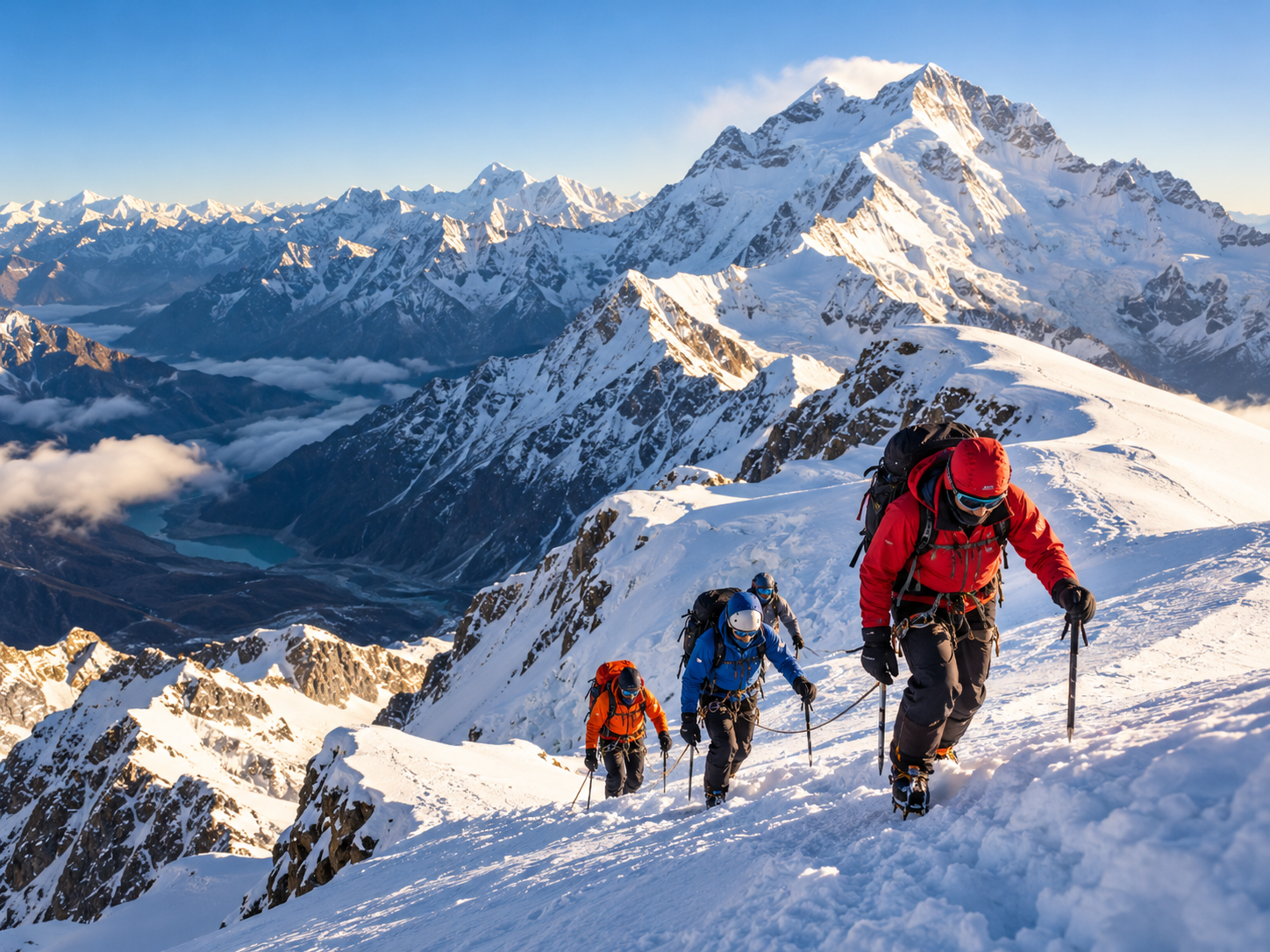
Nepal is internationally recognised for its spectacular mountains, trekking routes, rivers, lakes, forests, and wildlife. Its varied landscapes attract trekkers, mountaineers, nature enthusiasts, photographers, and adventure travellers.
Popular experiences include Everest Base Camp trekking, Annapurna Base Camp trekking, peak climbing, jungle safaris in Chitwan, paragliding in Pokhara, white-water rafting, and scenic mountain flights.
Nature based tourism can also strengthen the case for protecting national parks, forests, wildlife habitats, and fragile mountain environments. The World Bank has highlighted opportunities for Nepal to use protected-area tourism to support both local livelihoods and biodiversity conservation.
However, tourism must be managed carefully to reduce waste, protect natural resources, and avoid damaging the very landscapes that attract visitors.
6. Tourism Encourages Rural Development
Tourism can bring economic opportunities beyond Nepal's major cities. Mountain communities, traditional villages, and lesser-known destinations can benefit from trekking routes, homestays, local food experiences, cultural tours, and nature-based activities.
Places such as Mustang, Manang, the Annapurna region, and remote Himalayan settlements offer opportunities for visitors to experience distinctive landscapes and local traditions.
With appropriate infrastructure, training, and community participation, tourism can help small businesses grow, diversify household income, and encourage the preservation of local knowledge and traditions.
Responsible destination development is essential to ensuring that these benefits reach local residents while maintaining the character of each community.
7. Sustainable Tourism Protects Nepal's Future
Although tourism offers many benefits, it also brings responsibilities. Unmanaged visitor growth can contribute to litter, pressure on water resources, trail erosion, overcrowding, and damage to cultural and natural sites.
Sustainable tourism aims to reduce these impacts while ensuring that local people benefit from travel.
Visitors can contribute by following local customs, respecting religious sites, reducing single-use plastics, carrying out their waste, choosing responsible guides and operators, and purchasing goods from local producers.
Tour operators also have an important role in planning suitable itineraries, supporting local employment, sharing accurate travel information, and encouraging environmentally responsible practices.
A sustainable approach helps Nepal protect its unique attractions while creating better experiences for future generations of travellers.
8. How Travellers Can Make a Positive Difference
Every travel decision can influence the communities and places visited. Travellers can support Nepal by choosing locally operated accommodations, hiring qualified local guides, respecting cultural practices, visiting destinations beyond the busiest tourist centres, and allowing enough time to appreciate each place.
Learning a few words of Nepali, asking permission before photographing people, dressing appropriately at religious sites, and following local environmental guidelines can also make travel more respectful and rewarding.
Tourism becomes more meaningful when visitors do more than see a destination—they connect with its people, understand its traditions, and contribute positively to the places they explore.
Explore Nepal with Fly Everest Holidays Tours & Treks
At Fly Everest Holidays Tours & Treks, we believe that discovering Nepal should be rewarding for both travellers and the communities that welcome them.
From cultural sightseeing in Kathmandu Valley and peaceful stays in Pokhara to spiritual journeys to Muktinath and Lumbini, Himalayan trekking adventures, and carefully planned pilgrimage experiences, Nepal offers countless opportunities for discovery.
Our goal is to help travellers explore these destinations through thoughtfully planned journeys that celebrate local culture, natural beauty, and authentic experiences.
Whether you are looking for a cultural holiday, a spiritual pilgrimage, a scenic tour, or a challenging Himalayan adventure, Nepal offers a journey worth remembering.
Discover Nepal. Support Local Communities. Travel Responsibly.
Plan your next Himalayan experience with Fly Everest Holidays Tours & Treks and discover the people, places, and traditions that make Nepal truly special.
Conclusion
Tourism is important to Nepal because it connects economic opportunity with cultural exchange, local employment, heritage preservation, and environmental awareness. When developed responsibly, it can benefit communities across the country while helping protect Nepal's extraordinary natural and cultural assets.
From the world's highest mountains to sacred temples, historic cities, peaceful lakes, and welcoming villages, Nepal has the potential to offer enriching experiences to travellers from every corner of the world.
By choosing responsible travel and supporting local communities, visitors can help ensure that Nepal's beauty, traditions, and hospitality continue to inspire generations to come.